Recovery Housing in Cuyahoga County: What Men in Recovery Should Know Before Choosing a Home
Choosing a place to live after treatment, detox or rehab is an important decision. A stable, substance-free home may offer structure and peer connection while you work toward greater independence. But homes differ in their rules, costs, support and suitability for each person.
If you have searched for “recovery housing Cuyahoga County,” use this guide to compare options and identify questions to ask before moving in. Families, case managers and referral partners can use the same checklist to help someone explore a potential next step.
What recovery housing can, and cannot, provide
Recovery housing is a living environment organized around sobriety, shared expectations and support from others in recovery. Depending on the home, it may include house rules, curfews, meeting participation and resident accountability. The amount of staff oversight and organized support can vary, so ask what is actually provided.
A sober living home is not automatically a treatment program. A Place For You Sober Living provides recovery-focused housing and peer support; it does not provide medical treatment, detoxification or clinical addiction services. Anyone who may need withdrawal management or other medical care should speak with a qualified provider before moving into a sober home.
How to compare recovery housing in Cuyahoga County
Before choosing a recovery house in Cleveland or elsewhere in Cuyahoga County, look beyond the room itself. Ask for clear information about the home’s expectations, costs and day-to-day environment.
Ohio Recovery Housing explains that homes need appropriate accreditation to appear on the Ohio Department of Behavioral Health’s registry. Search the Ohio recovery housing public directory and confirm the exact address and current information directly with the residence. A directory search is a useful verification step, not a substitute for deciding whether a home is a good personal fit.
The ADAMHS Board of Cuyahoga County’s recovery housing page is another local starting point for residents and referral partners.
Questions to ask before you commit
- What is the total cost? Ask about monthly housing charges, deposits, utilities and any other fees. Request the terms in writing.
- What kind of room is available? Confirm whether it is shared or private, how many people share the room, and what furnishings are included.
- What rules apply? Ask about curfew, visitors, chores, meeting participation, screenings and what happens if a resident breaks a rule.
- What support is provided? Clarify whether support means house management, peer connection or scheduled services. Do not assume counseling or clinical care is included.
- What are the medication policies? If you take prescribed medication, ask how it is handled and discuss any concerns with your prescriber.
- Is the home a fit for your needs? Consider transportation, work or appointment schedules, accessibility, privacy and the level of structure you need.
- Can you see the agreement first? Read the house rules and resident agreement before making a decision. If anything is unclear, ask for an explanation.
| Compare | Ask or look for |
|---|---|
| Living space | Clean, comfortable rooms; furnishings; shared and private options |
| Costs | Clear monthly charges, included utilities and any additional fees |
| Structure | Written rules, curfew and expectations for accountability |
| Recovery focus | How residents are encouraged to maintain sobriety and connect with recovery meetings |
| Management | Who residents can contact and how the property is overseen |
| Personal fit | Whether the home’s expectations match your current needs and plans |
Consider the home’s atmosphere and daily routine
A tour can help you understand what daily life might feel like. Notice whether shared spaces look cared for and whether residents are treated with respect. Ask who to speak with if a concern comes up. If possible, take time to understand the schedule and expectations before deciding.
Structure can be helpful for some people, but the right level of structure depends on the individual. A home’s rules should be clear before move-in, and residents should understand how accountability works. The National Alliance for Recovery Residences describes a range of recovery residence models with different levels of staffing and support. It can help to ask a residence what its day-to-day model involves rather than relying on labels alone.
A look at A Place For You Sober Living
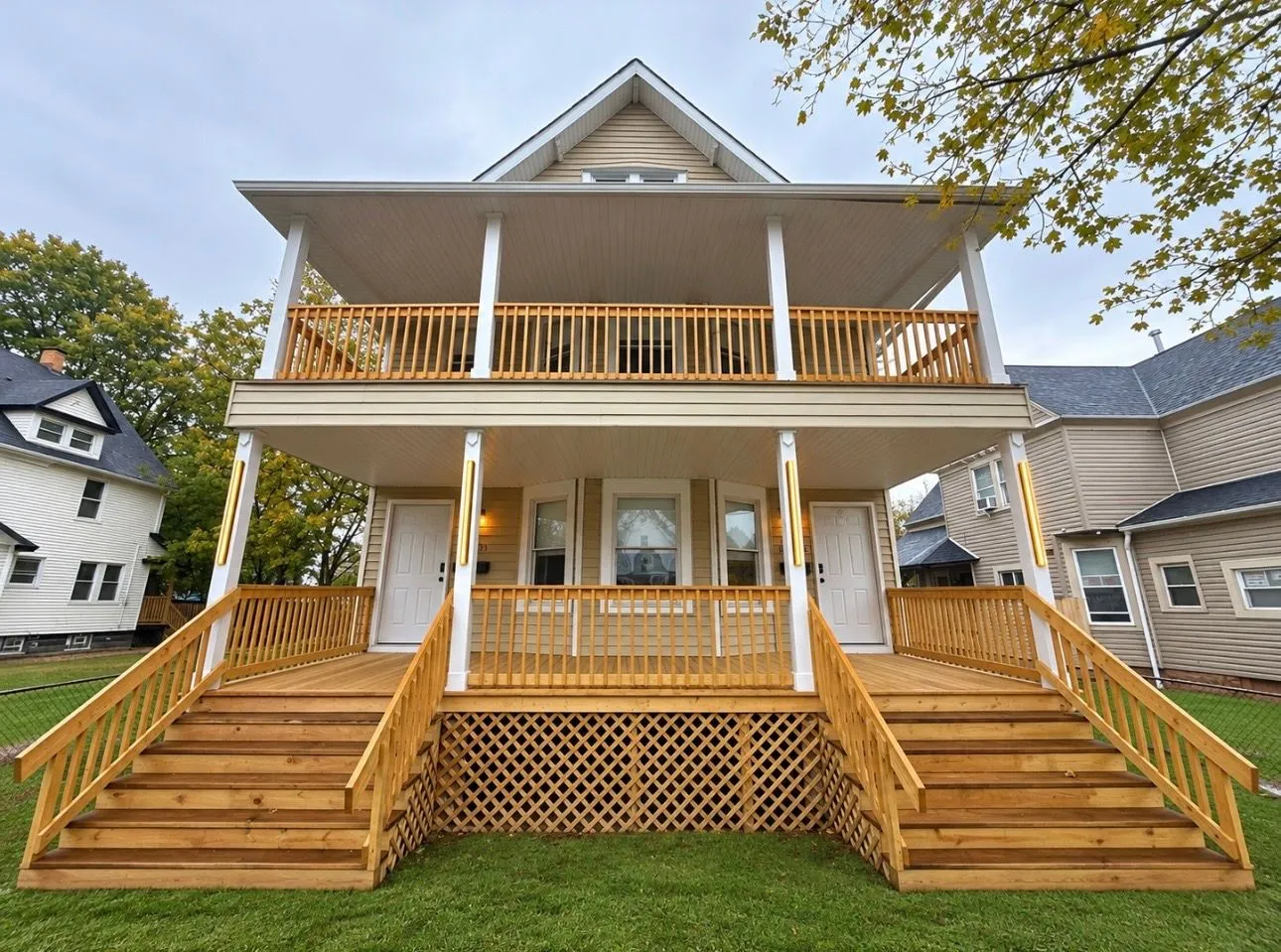
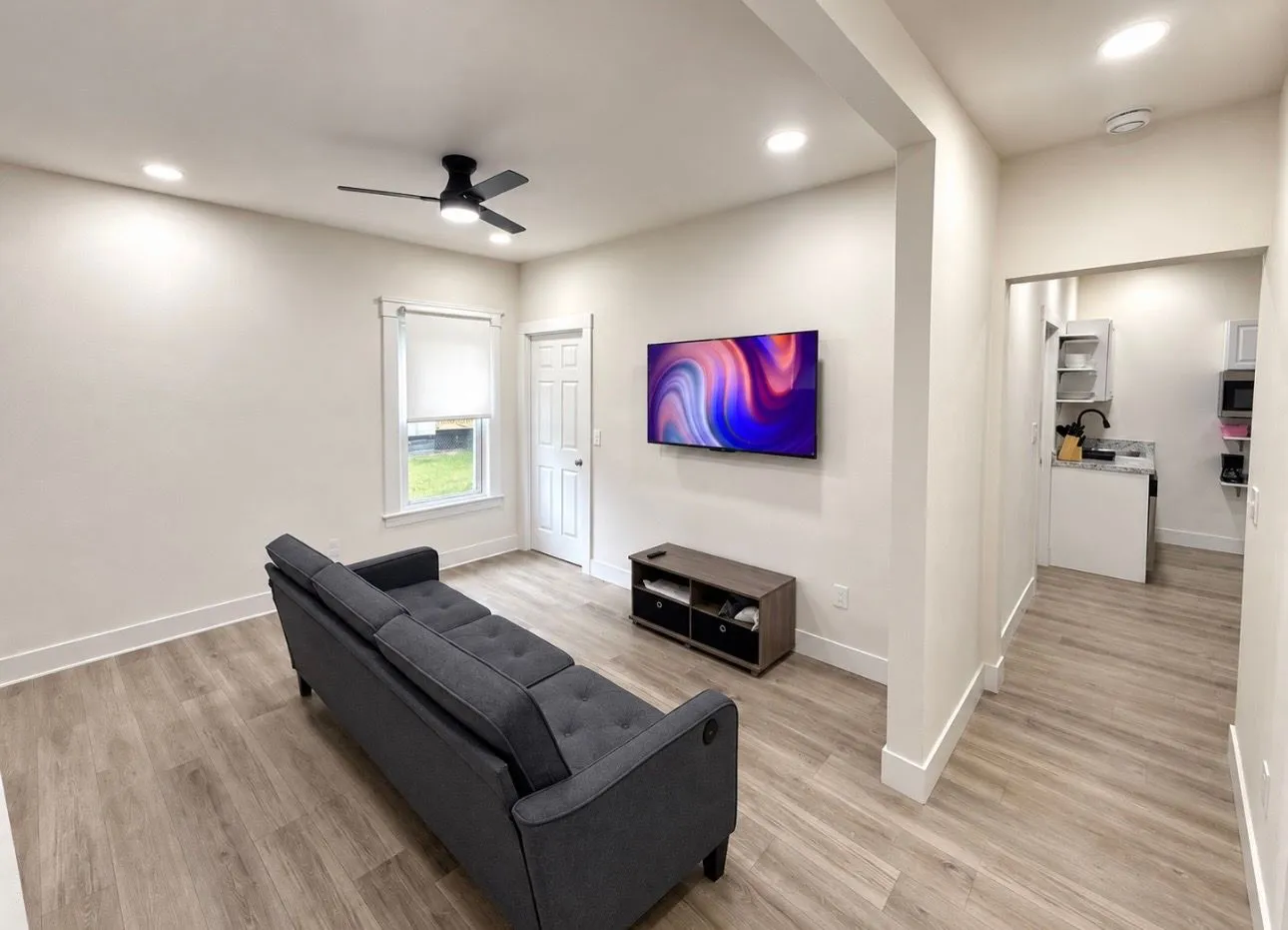
A Place For You Sober Living is a newly established men’s sober living residence on the west side of Cleveland. The home has been extensively renovated and is intended to provide a clean, comfortable and respectful place for men committed to sobriety.
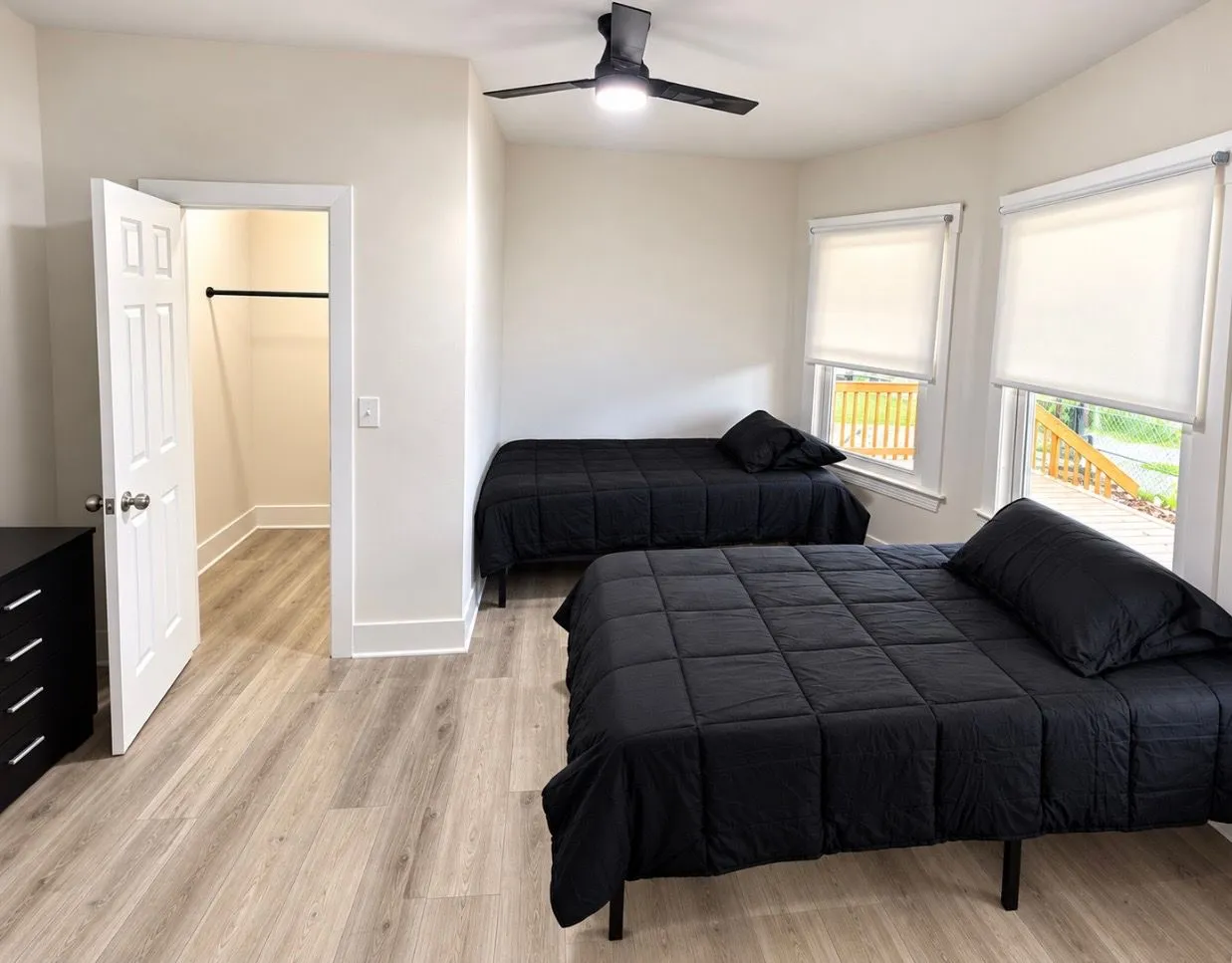
The residence offers furnished shared bedrooms and a limited number of private bedrooms, subject to availability. Weekly rates are affordable, and utilities are included. The home has established rules, curfews, resident accountability, an emphasis on recovery meeting participation, house management support and regular property oversight.
These details can help you decide what to ask next, but they do not replace a personal conversation about current availability, costs and whether the home fits your circumstances. Learn more about the residence and house rules.
Make a plan for the move
Before leaving treatment or another program, talk with your provider, case manager or recovery support person about the kind of housing that may be appropriate. If the residence is a possibility, confirm the move-in process, transportation, what belongings to bring and how to contact management.
Families and referral partners can help by asking practical questions, reviewing written policies with the prospective resident and supporting the person’s own decision-making. A Place For You welcomes inquiries from individuals, families and professionals; its referral information explains how to start a conversation.
Recovery housing is one part of a wider plan, not a replacement for clinical care when it is needed. If a person needs medical support, detox or treatment, contact a qualified provider or emergency service rather than relying on a sober living residence for that care.
Find out whether the home may be right for you
Comparing sober living in Cleveland, Ohio means considering more than location. Look at the living arrangements, total costs, rules, level of support and whether the home’s expectations fit your goals. For men looking for affordable sober living in Ohio, asking clear questions can make it easier to compare options thoughtfully.
A Place For You Sober Living is newly established and welcomes questions about its West Cleveland residence, room availability and weekly rates. If you are a prospective resident, family member or referral partner, call (216) 477-0718 to learn more. If you’re searching for recovery housing in Cuyahoga County, we’re glad to talk through whether our home may be a fit.
A Place For You Sober Living, If you need a safe place to live, then we have a place for you.