Substance Free Housing in Cleveland: Why a Drug- and Alcohol-Free Home Matters in Recovery, a guide to substance free housing cleveland
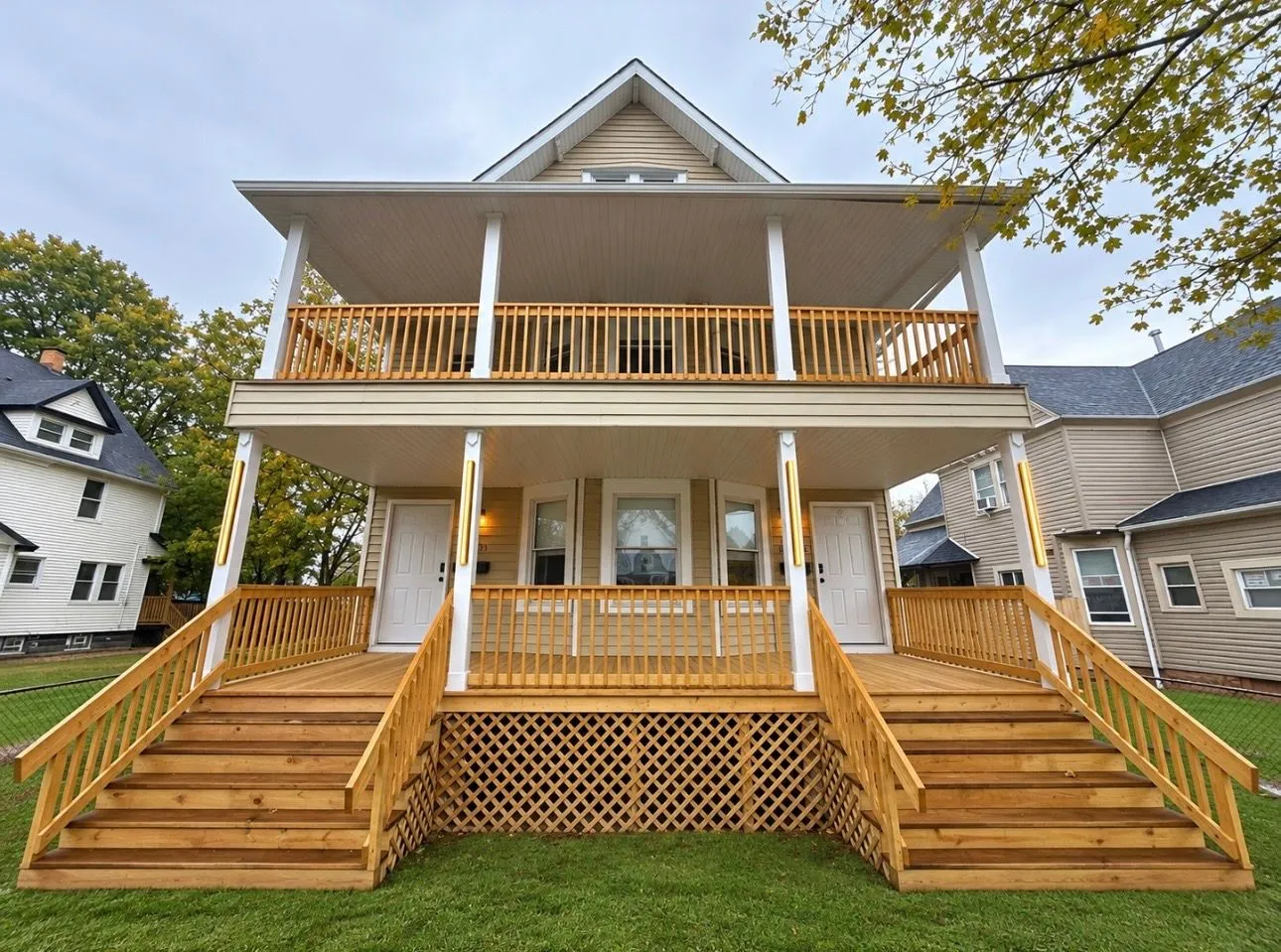
Finding a steady place to live can be an important part of planning for life after treatment. For men returning to Cleveland or Northeast Ohio, substance free housing cleveland options may offer a home where sobriety, shared expectations, and peer support are part of everyday life.
A sober residence is not a substitute for treatment or medical care. It is a place to live while continuing to work on recovery, daily responsibilities, and personal goals. Knowing how this kind of housing differs from a regular rental can help individuals, families, and referral partners make a more informed choice.
What is substance-free housing?
Substance-free housing is a living arrangement with clear expectations that residents do not use alcohol or drugs in the home. In recovery housing, residents may also share a commitment to sobriety, follow house rules, and support one another’s recovery routines.
The details vary from one home to another. Some residences provide peer support and connections to community resources, while others may have different levels of structure. Ohio’s Department of Behavioral Health provides information about recovery housing in the state. The ADAMHS Board of Cuyahoga County also offers information about local recovery housing.
It’s helpful to ask each residence what its policies include. The label alone won’t tell you the rules, costs, supports, or daily expectations.
How it differs from a regular rental, rooming house, or shelter
A regular apartment generally provides a lease and a private living space, but it may not include recovery-focused rules or peer support. A rooming house can offer a room and shared facilities, but its expectations and environment depend on the operator. A shelter can provide an essential short-term safety net, though its purpose and length of stay may differ from a recovery residence.
Substance-free housing is distinct because sobriety is an explicit part of the home’s expectations. Structure and community can help residents build routines, but the experience depends on the specific home and whether it suits the person’s needs.
| Housing option | What to ask about |
|---|---|
| Regular rental | Are there recovery supports or substance-use rules beyond the lease? |
| Rooming house | Who manages the property, and what expectations apply to residents? |
| Shelter | What are the eligibility rules, services, and expected length of stay? |
| Recovery housing | What are the sobriety policies, house rules, costs, and peer supports? |
Why an alcohol- and drug-free home can matter in early recovery
After treatment, daily surroundings can feel different. A person may be rebuilding routines, reconnecting with supportive people, looking for work, or returning to family responsibilities. Living in a home with a shared commitment to sobriety can reduce the chance of encountering alcohol or drug use inside the residence and make expectations clearer.
A substance-free home can also offer opportunities for accountability and peer connection. Residents may encourage one another to attend meetings, keep appointments, and follow through on daily responsibilities. These supports do not guarantee a particular outcome, and no home can remove every challenge. They can, however, offer a more recovery-focused setting than housing without those expectations.
The surrounding community matters, too. Residents may need access to transportation, recovery meetings, employment, health care, and family or community supports. Ask about the location and what resources are realistically accessible from the home.
What structure typically looks like
A structured residence usually explains its expectations before a person moves in. Rules may cover staying substance-free, curfews, visitors, chores, respect for other residents, and participation in recovery activities. Some homes may also describe how they address screening, safety concerns, or a return to substance use.
The purpose of clear rules is to help residents understand what is expected and what happens if a rule is not followed. Before deciding, ask for the current written policies and make sure you understand them. You can review A Place For You Sober Living’s house rules as an example of how a residence may outline expectations.
What to look for in a substance-free home
Use this checklist when comparing options:
- Clear sobriety policies: Ask what substances are prohibited and how policies are applied.
- Written rules: Review curfews, visitor policies, screening expectations, and resident responsibilities.
- Transparent costs: Confirm the monthly amount, what is included, and any other expected expenses.
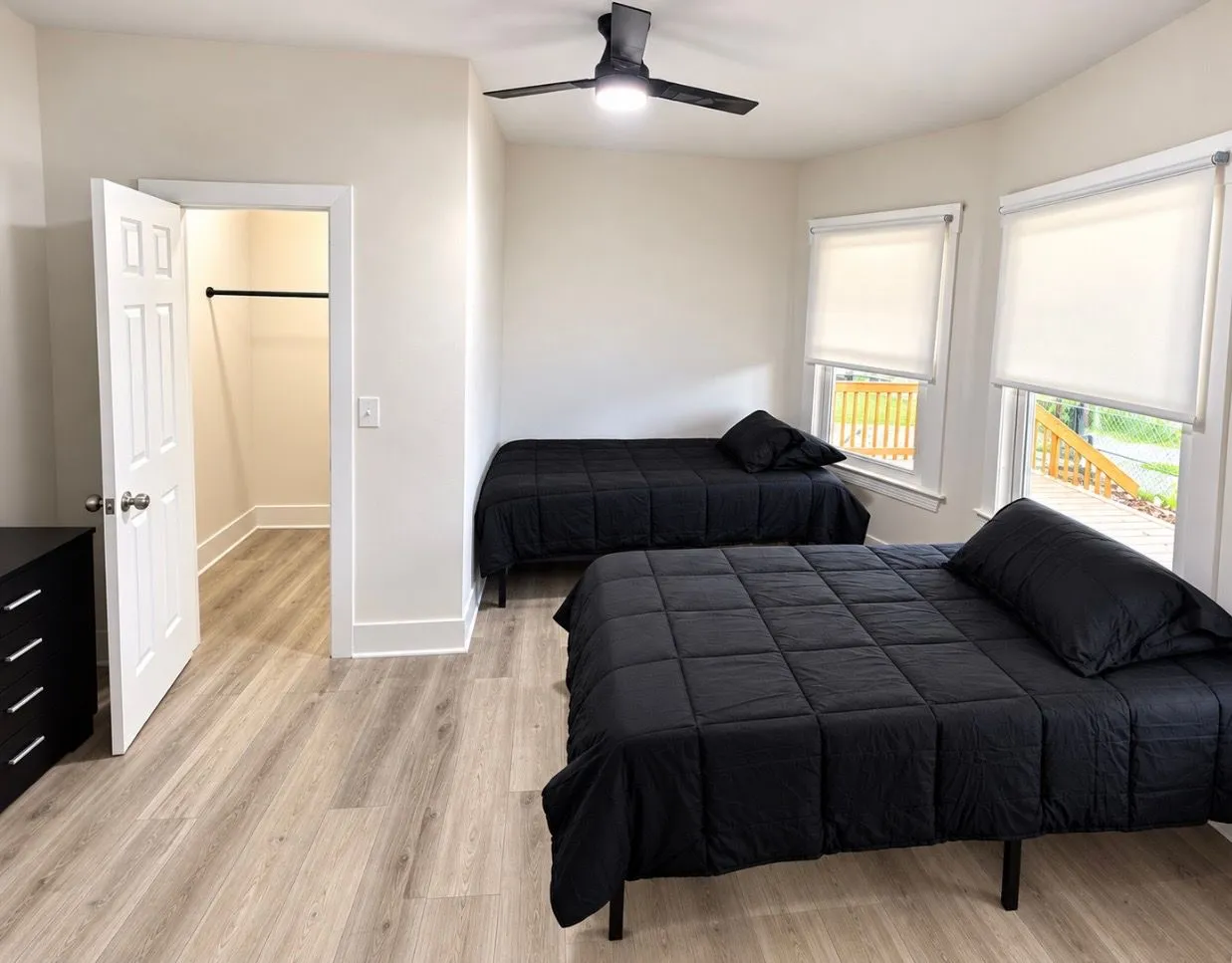
- A suitable living arrangement: Ask whether rooms are shared or private and what is currently available.
- Management and upkeep: Find out who provides house management and how the property is monitored.
- Recovery support: Ask whether residents are expected or encouraged to attend meetings or other recovery activities.
- A good fit for your needs: Consider location, transportation, privacy, house culture, and your current recovery plan.
Families and referral partners can help by asking questions with the prospective resident, rather than making assumptions about what will work best. If a person is leaving detox or treatment, it may also be useful to coordinate housing plans with their treatment or recovery support team.
Is sober living a good fit?
Substance-free housing may be worth exploring for an adult man who is committed to sobriety, wants a stable home, and is prepared to follow community guidelines. It can also be an option to discuss when someone is transitioning from treatment and wants more structure than a standard rental provides.
It may not be the right level of care for everyone. Someone who needs detoxification, medical attention, or clinical addiction treatment should contact qualified providers. A recovery residence offers housing and peer support; it does not replace professional care. If you are unsure what level of support is appropriate, talk with a treatment provider or another qualified professional.
A Place For You Sober Living in West Cleveland
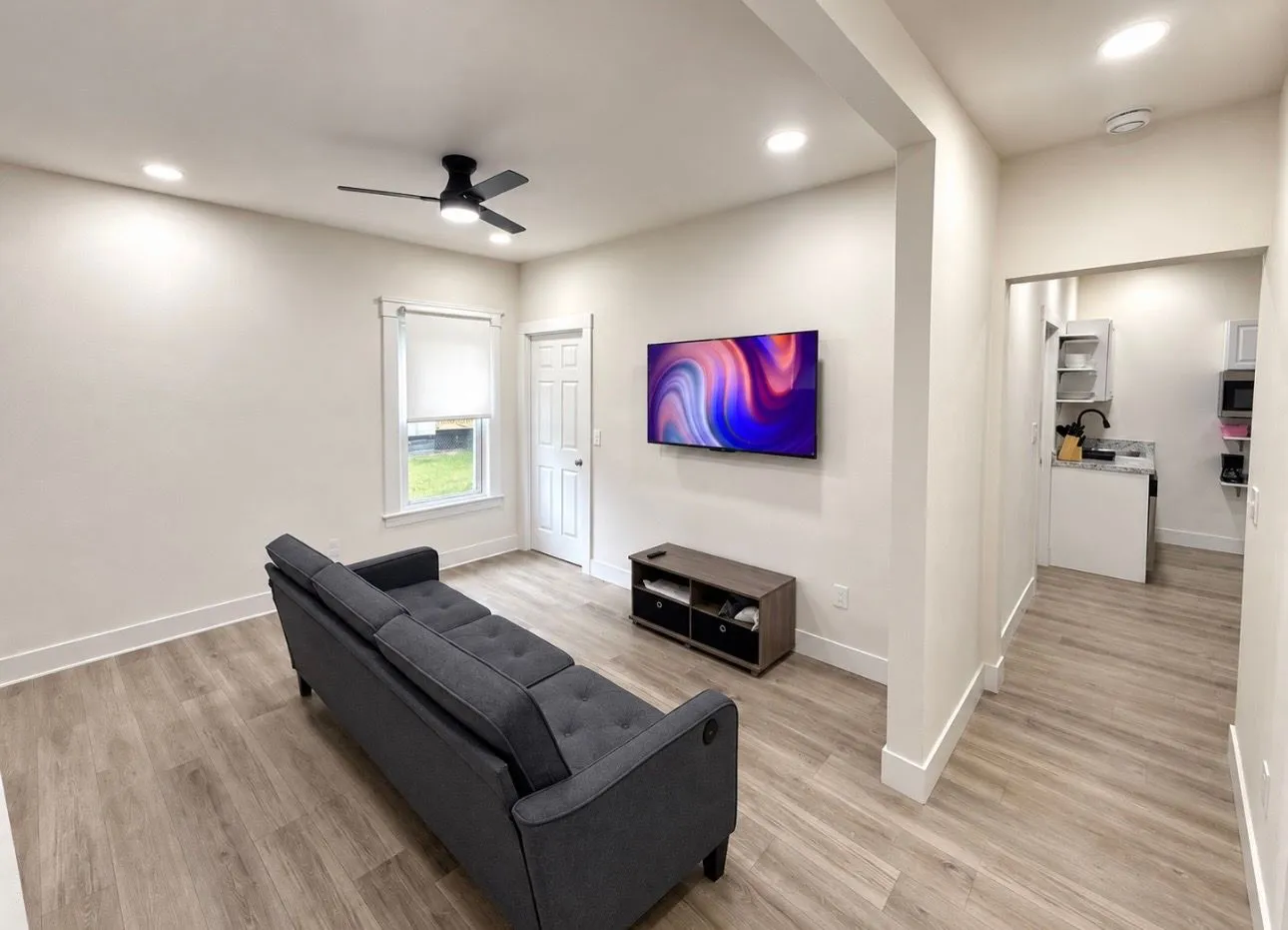
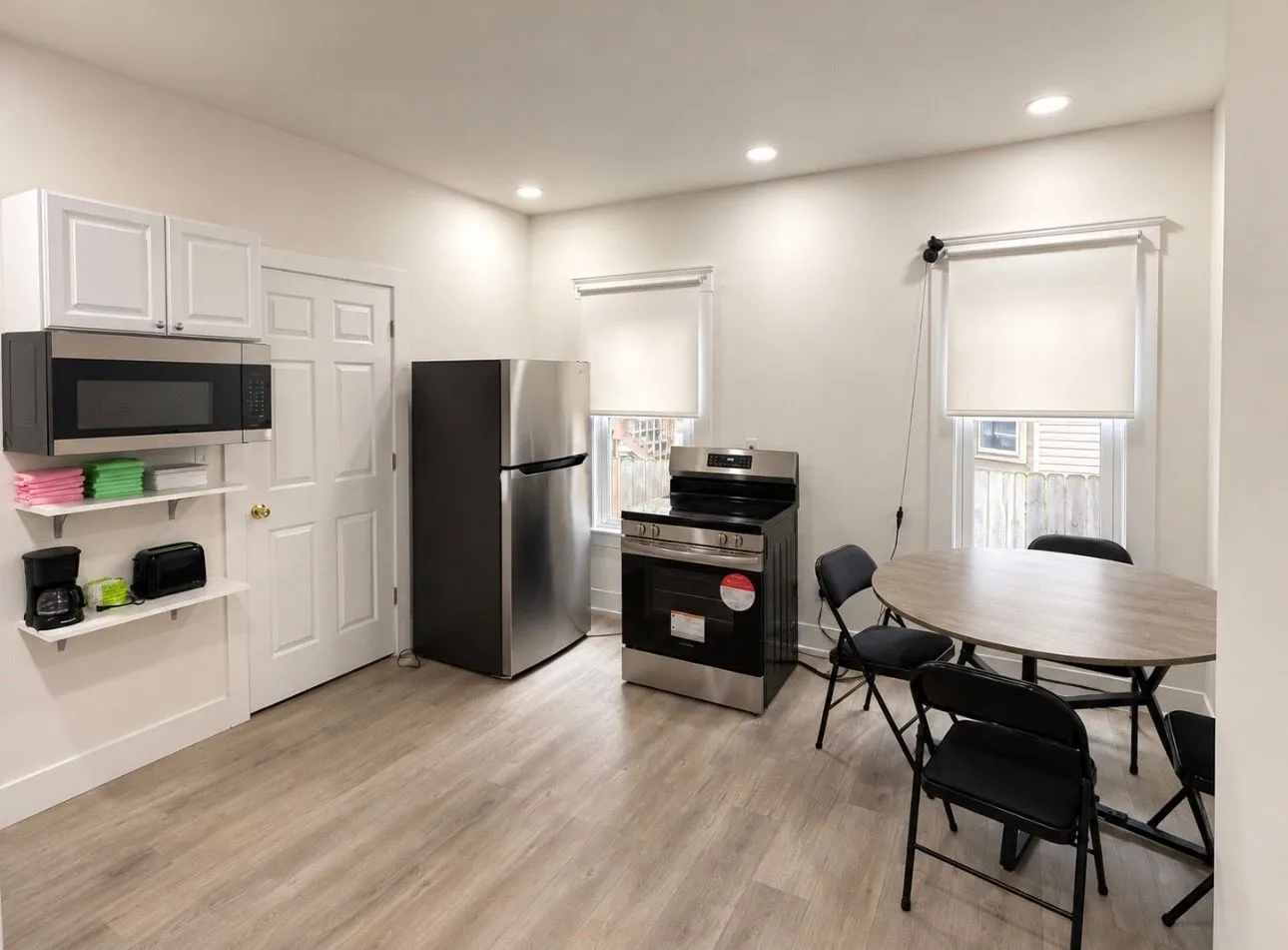
A Place For You Sober Living is a newly established men’s sober living residence in West Cleveland, serving Cleveland, Cuyahoga County, and surrounding Northeast Ohio communities. The extensively renovated home offers furnished shared bedrooms and, subject to availability, private bedrooms. Weekly rates include utilities.
The residence has house rules, curfews, resident accountability, recovery meeting participation expectations, house management support, and regular property oversight. Its goal is to provide a clean, comfortable, respectful setting where residents can focus on independence and positive daily habits.
A Place For You Sober Living provides recovery-focused housing and peer support, not medical treatment, detoxification, or clinical addiction services. Learn more about the residence, or visit the referral information page.
Ask about substance free housing cleveland
Choosing a home is a personal decision. Ask questions, review the rules, and consider whether the environment and expectations fit your recovery needs. If you’re exploring substance free housing cleveland for yourself, a family member, or someone you support, call (216) 477-0718 to ask about current weekly rates and availability in West Cleveland.
A Place For You Sober Living, If you need a safe place to live, then we have a place for you.