Recovery House Cleveland: What Is It? A Plain-Language Guide for Men
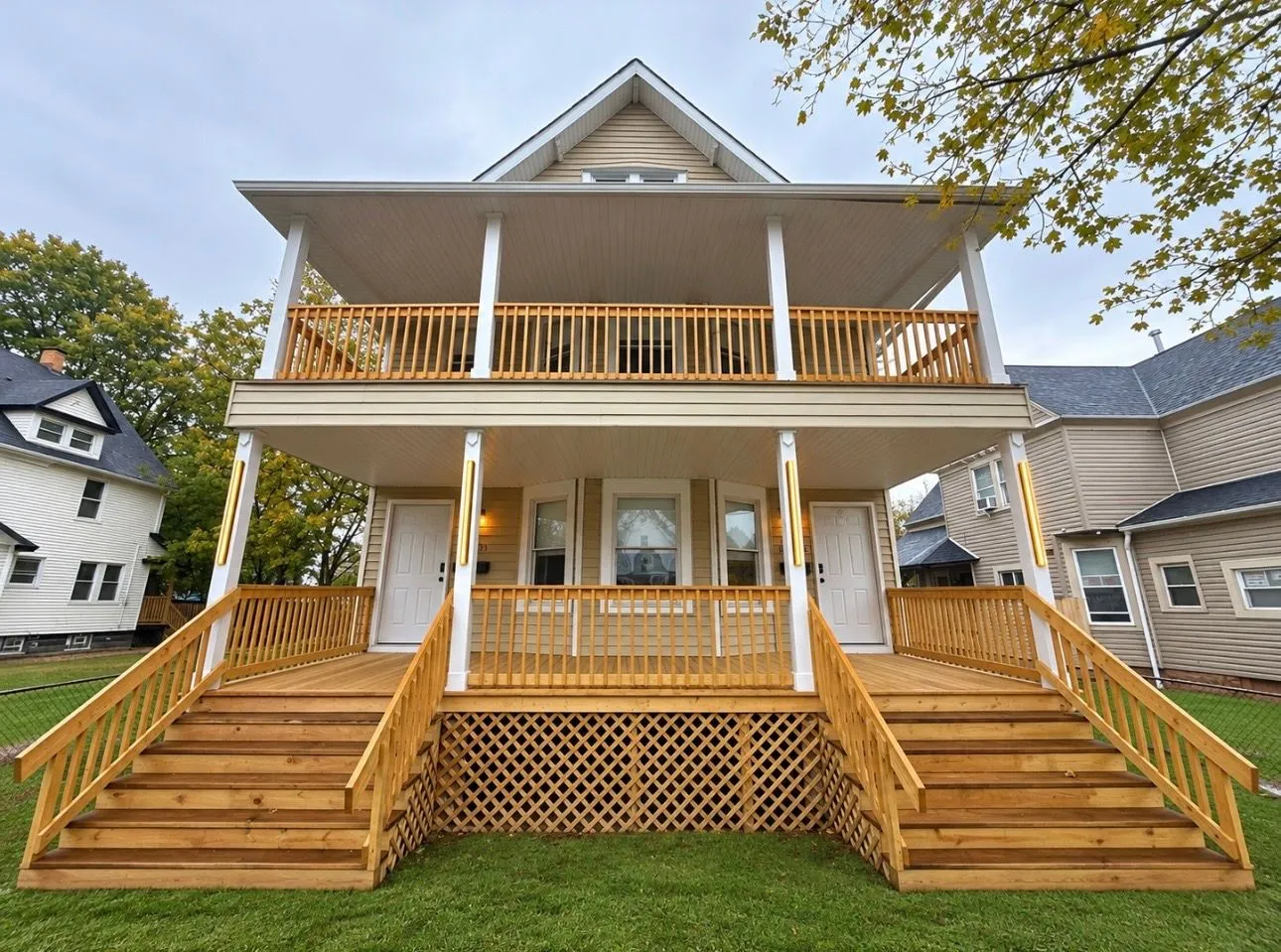
If you’re looking for a recovery house in Cleveland, you may be wondering what daily life is really like, and how it differs from treatment, a shelter, or renting a place on your own. In plain language, a recovery house is a shared, substance-free home for people in recovery who want a stable place to live while rebuilding routines and working toward greater independence.
Recovery housing can be a next step after detox, rehab, or another treatment program. It can also suit someone who needs a sober, structured environment and is ready to follow house expectations. Each home has its own policies and services, so it’s important to ask what living there involves.
What is recovery housing in Cleveland, Ohio?
A recovery house is first and foremost a place to live. Residents share a home and agree to support a substance-free environment. House rules and shared expectations can provide structure, while living alongside others with a similar goal can offer everyday encouragement and accountability.
The term “recovery house” or “sober living” doesn’t guarantee that every residence offers the same arrangements. Some are peer-run; others have house management and more defined routines. Many connect residents with support and services outside the home. The SAMHSA guide to recovery housing explains that recovery housing is distinct from clinical treatment, even though residents may pursue treatment or other services while living there.
In Ohio, recovery-housing rules and classifications can vary by residence. For information about state requirements, see the Ohio Administrative Code provisions for recovery housing. When considering a home, ask which services it provides, and which it does not.
Who might benefit from a recovery house for men?
A recovery house for men may be worth exploring if you are:
- Leaving rehab, detox, or another treatment program and need a stable place to continue building your routine.
- Looking for substance-free housing in Cleveland with clear community expectations.
- Seeking a home where recovery activities and peer encouragement are part of everyday life.
- Ready to take responsibility for your living space, follow house rules, and work toward more independence.
You don’t have to be leaving a treatment program to ask about a recovery house. The key is to understand the home’s requirements and consider whether you’re ready to live within them. A recovery residence provides housing and peer support, not medical treatment, detox, counseling, or other clinical addiction services. If you need those services, ask a qualified provider about care options.
What does day-to-day life look like?
A recovery house is a home, so the day includes ordinary responsibilities as well as recovery-focused routines. Residents may go to work, attend appointments, look for employment, or take part in other personal goals. At home, they share space and are expected to respect one another.
Daily life can include:
- Following house rules and curfews. These help set clear expectations for everyone. Policies differ by home, so read them before agreeing to move in.
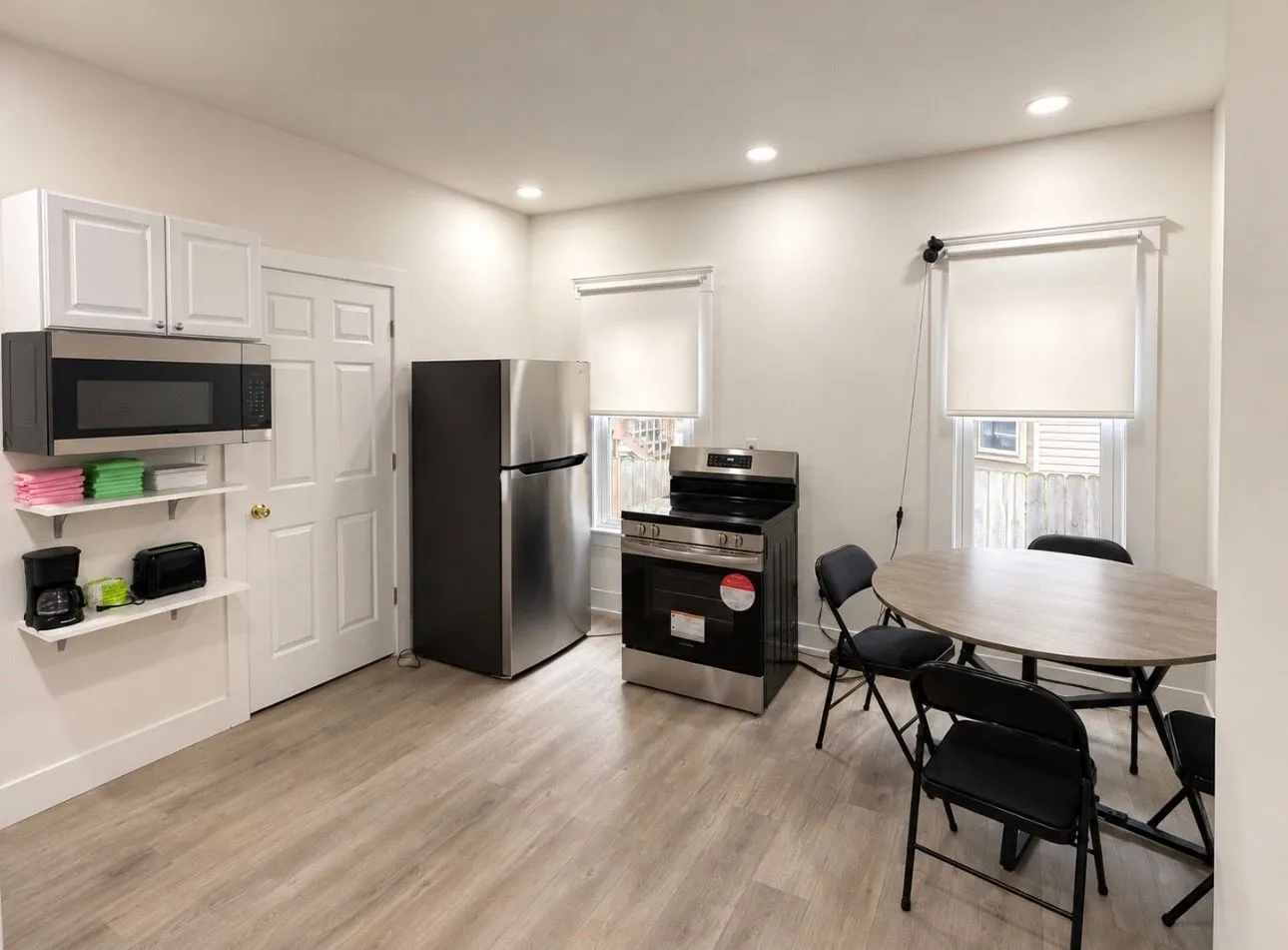
- Keeping shared areas clean. Residents may be expected to care for their bedrooms and contribute to maintaining kitchens, bathrooms, and common spaces.
- Taking part in recovery activities. A house may encourage or expect participation in recovery meetings or other support activities. Ask what participation means in that specific home.
- Being accountable to the community. Respectful communication, following agreed policies, and addressing concerns are part of shared living.
- Using house management support. Depending on the residence, a manager may help communicate expectations and oversee the property. This is not the same as clinical care.
For example, A Place For You Sober Living’s posted house rules describe a substance-free environment, curfews, recovery participation, screening policies, and shared responsibility for cleanliness. The page also explains that prospective residents receive and review the complete house rules and resident agreement.
How is a recovery house different from living alone, a shelter, or treatment housing?
Compared with living alone: Renting a place by yourself may offer more privacy, but you’ll have fewer built-in opportunities for daily peer connection. A recovery house combines housing with shared expectations and a community of people working toward sobriety. Whether that structure feels helpful depends on your needs and preferences.
Compared with a shelter: A shelter generally focuses on providing temporary accommodation and immediate basic safety. Recovery housing is intended for people seeking a substance-free living environment centered on recovery. Services and length of stay vary, so ask each provider how its home works.
Compared with treatment housing: Clinical treatment may involve assessment, therapy, medication, or other services from qualified providers. A recovery house is not a treatment program simply because residents are in recovery. Some people living in recovery housing may also receive treatment elsewhere, but the residence itself may not provide it.
What are the benefits of living among peers?
Recovery can feel isolating, especially when you’re adjusting to a new routine or returning to everyday responsibilities. Living with people who share a commitment to sobriety can make it easier to find encouragement, practice respectful communication, and stay connected to recovery activities.
A shared home can also give residents opportunities to build practical habits: keeping a schedule, caring for a living space, communicating about shared needs, and taking responsibility for personal goals. These are possibilities, not guaranteed outcomes. The value of a recovery house depends on the fit between the resident, the home’s expectations, and the support available.
A practical checklist: what should you ask?
Before choosing a recovery house, consider asking:
- What does the written resident agreement say? Ask for the rules, fees, policies, and expectations in writing before making a decision.
- What is included in the monthly housing cost? Confirm the amount and what utilities or household services are included. Ask about any other costs.
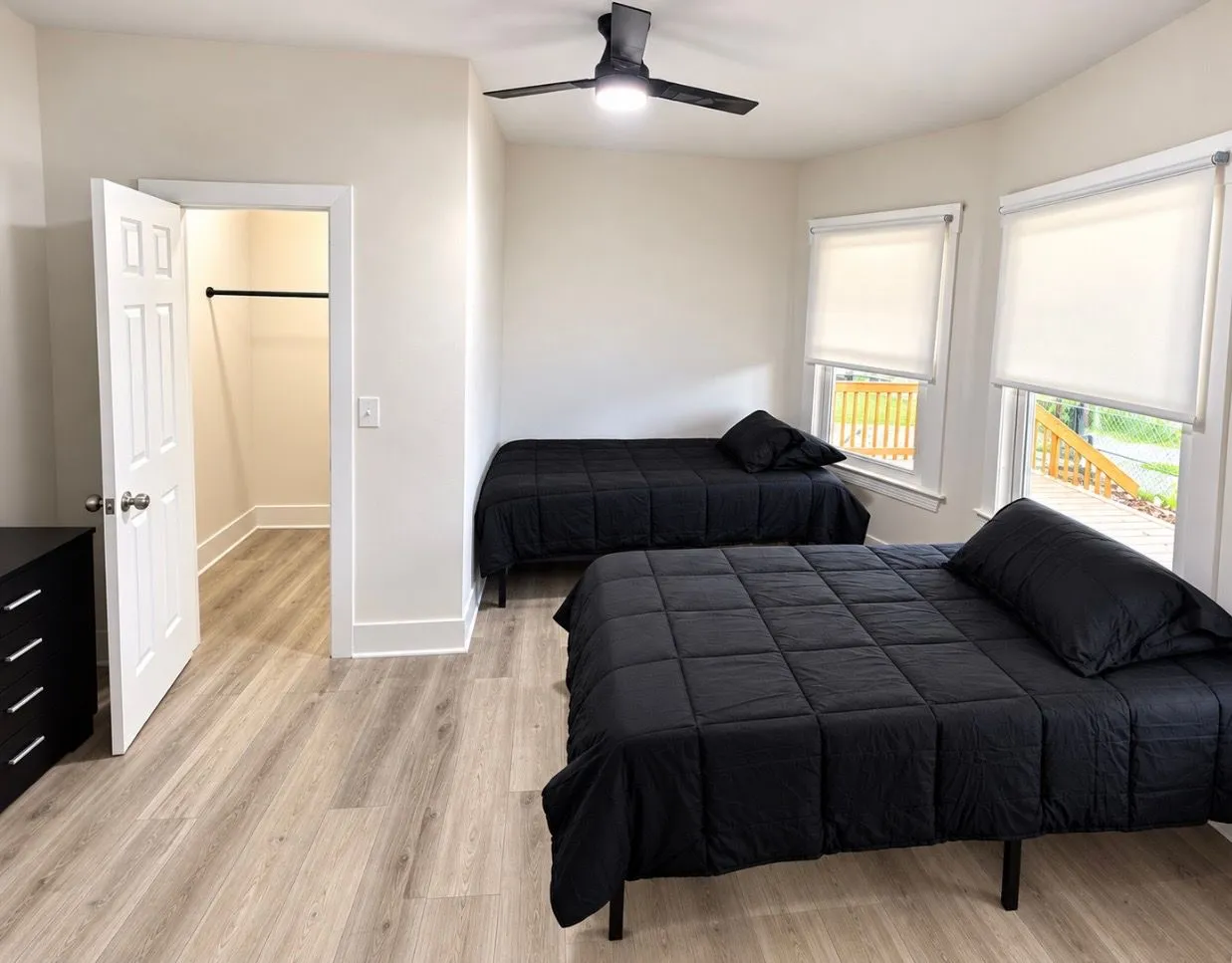
- What room options are available? Find out whether bedrooms are shared or private, what furnishings are provided, and whether a particular room is currently available.
- What are the curfew and visitor policies? Ask how the rules work in everyday situations and what happens if a resident needs to discuss an exception.
- What recovery participation is expected? Clarify whether the home encourages meetings or requires specific activities.
- How does house management work? Ask who handles day-to-day concerns, property oversight, and questions about house policies.
- What support is outside the scope of the home? Confirm whether you’ll need to arrange treatment, counseling, medical care, or other services separately.
- What happens if a resident has a concern or breaks a rule? Ask how concerns are communicated and how the home responds.
A straightforward conversation can help you decide whether the home is a suitable next step. Family members and referral professionals can ask questions too, with the prospective resident’s involvement and permission where appropriate.
A recovery house in Cleveland with a welcoming place to begin
A Place For You Sober Living is a newly established men’s recovery house on Cleveland’s west side, serving men from Greater Cleveland, Cuyahoga County, and surrounding Northeast Ohio. The extensively renovated home offers furnished shared bedrooms and a limited number of private bedrooms, subject to availability, along with affordable weekly rates and utilities included.
The residence has house rules, curfews, resident accountability, an emphasis on recovery meeting participation, and house management support with regular property oversight. It aims to provide a clean, comfortable, respectful environment, not clinical or medical care. You can see the residence details and room photos or learn how to get in touch.
If you’re a man looking for recovery housing in Cleveland, Ohio, or a family member, case manager, or referral partner helping someone explore options, call (216) 477-0718 to ask about availability and our weekly rates. A Place For You Sober Living: “If you need a safe place to live, then we have a place for you.”